
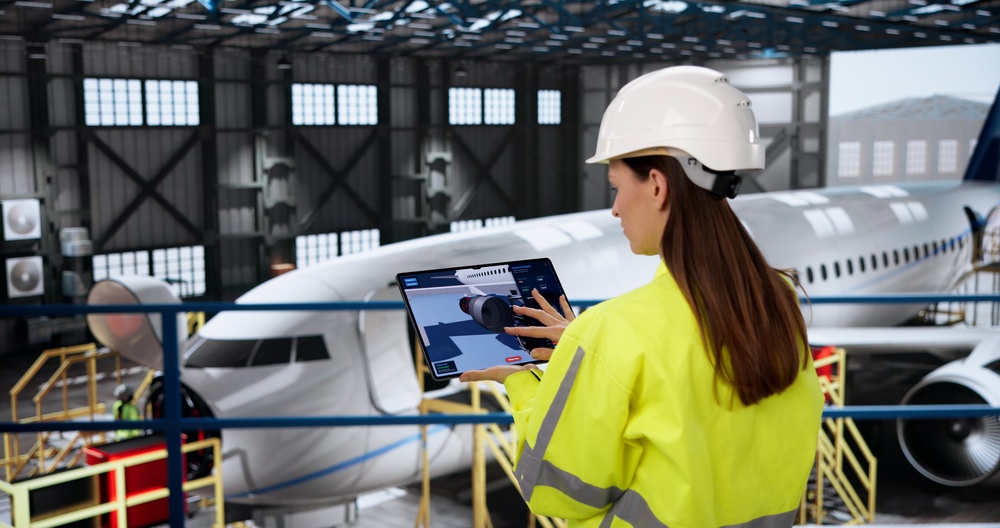
This is the dawning of a new era for the aviation industry, one that is being driven by artificial intelligence (AI), data analytics, and predictive maintenance technologies. With the inevitable rise of operational costs, disruptions in supply chains, and the surge in passenger demand, predictive maintenance has is fast becoming one of the most notable developments forming the new face of modern aviation.
For pilots, companies, and maintenance crews, it is essential to get familiar with how AI-powered maintenance systems work to enhance aviation safety and efficiency.
What Is Predictive Maintenance in Aviation?
Predictive maintenance is powered by AI, machine learning, and real-time aircraft sensor data. Its purpose is to identify possible mechanical issues early, helping to avoid critical failures. Where this differs from conventional scheduled maintenance programs, predictive maintenance means that airlines and maintenance crews can monitor aircraft wellbeing on an ongoing basis.
A typical modern aircraft produces massive amounts of operational data over the course of each flight. AI networks examine this output of information and are able to spot abnormal patterns in engines, hydraulics, avionics, and other important systems. With this analysis, maintenance teams can then tend to issues proactively in lieu of scrambling to fix things after a failure happens.
The move from reactive maintenance to predictive maintenance means an improvement in safety, a reduction in delays, and saving with maintenance costs.
Why Are Airlines Investing in AI Maintenance Technology?
Aircraft downtime, or AOG (aircraft on ground), is one of the costliest obstacles in aviation. Unexpected maintenance occurrences can mean flight cancellations, operational disruptions, and financial losses.
AI-driven predictive maintenance assists airlines with:
- Reducing unscheduled aircraft groundings
- Improving aircraft reliability
- Reducing maintenance costs
- Extending part component lifespan
- Boosting customer satisfaction
- Improving operational efficiency
Digital maintenance platforms are not brand new, of course – airlines and aircraft manufacturers have already begin investing heavily in them. Technologies like digital twins, cloud-based maintenance tracking, and real-time diagnostics are considered standard elements throughout commercial aviation fleets.
Because sustainability and profitability continue to be top priorities, predictive maintenance is set to contribute in a big way when it comes to satisfying both objectives.
The Impact of AI on Aviation Safety
Safety is the very foundation of the aviation industry. Predictive maintenance supports safety management systems by recognizing potential issues before they show up as major problems.
AI systems are able to quickly analyze much more operational data than human analysts alone. This means that maintenance organizations can take note of minor warnings that could otherwise go unnoticed.
A good example of this is how predictive analytics can recognize early signs of engine wear, abnormal vibration patterns, or hydraulic system degradation far before they escalate into operational risks.
By decreasing the rate of unexpected equipment problems, airlines can positively affect reliability while also maintaining stronger regulatory compliance along with safer flight operations.
The Challenges of AI Predictive Maintenance
While there are many benefits of AI predictive systems, the use of this technology does come with its own set of challenges. Aviation professionals have to face several crucial issues, including:
- Data integration across platforms
- Cybersecurity hazards
- Regulatory approval
- Training requirements
- High upfront costs
More than ever, aviation techs and engineers are expected to acquire digital skills along with conventional mechanical know-how. As the adoption of AI systems grows, the development of these abilities will become integral for long-term success.
The Future of Aviation Maintenance
As with most things these days, the future of aviation maintenance will be continue to evolve into a data-driven, automated, and predictive system. It stands to reason that airlines who successfully take on AI-powered maintenance could benefit from greater efficiency, lower operational costs, and improved safety performance.