
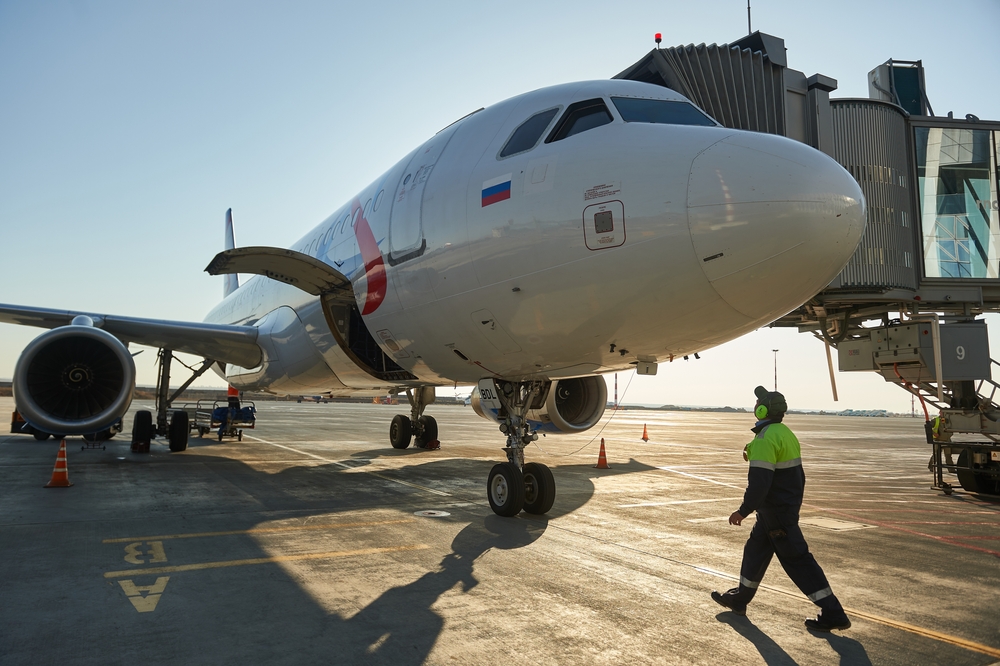
Air travel is one of the safest ways to get around the planet. But how is this possible? Well, flying owes its high level of safety in part to the mandatory strict airplane safety checks. These inspections occur before, during, and after every single flight, ensuring that passengers, crew, and aircraft remain safe, protected, and functional at all times. In this article, we’ll explore the types of safety checks and their significance.
Pre-Flight Safety Checks
Before even pulling away from the gate or shifting the plane into drive, pilots and ground crews conduct a thorough inspection of the airplane. Each and every system must prove to be in perfect working condition if the plane is going to fly that day.
These pre-flight checks include the following elements:
- Engine overview and inspection
- Ascertain that fuel levels match the planned journey
- Review of both tire and brake condition
- Full testing of both navigation and communication systems
- Control surface checks for safety in the air
If the pilot or crew find any issues with any detail of the aircraft, they must be remedied and the plane must be brought into perfect shape before departure. Safety, of course, is the top priority.
Why Checklists are Important
Pilots depend on a set of standardized checklists for each flight they captain. These handy lists lead them step by step though each element to ensure that nothing goes unchecked.
Checklists are a great help to:
- Decrease human error
- Ensure no detail is overlooked
- Maintain consistency through all flights
- Allow pilots and crew to stay focused under pressure
Regardless of experience – both seasoned pilots and those on their maiden voyages – take advantage of these lists each time they are preparing to fly.
Regular Aircraft Maintenance
Safety checks happen more often than just before takeoff. Airplanes undergo scheduled maintenance inspections quite often, including:
- Daily safety reviews
- Scheduled full maintenance inspections
- Performance and reliability testing for all systems
- Repair or replacement of worn or damaged parts
This careful and repeated protocol helps keeps aircraft in optimal working condition.
Additional Safety Systems
Airplane safety means more than just inspecting the aircraft itself. There are several systems working together at all times that ensure safe travel.
These cooperative systems include:
- Air traffic control
- Weather surveillance and regular, real-time reports
- Ground crew assistance throughout takeoff and landing
And while each factor could be seen as independent, all these elements must come together for a smooth and safe flying experience.
Safety Standards and Regulations
Aviation authorities have put in place a set of strict safety rules that ensure the safety and reliability of passengers, crew, and aircraft. Airlines must follow these regulations, keeping in mind that:
- Standards often change and update
- There are no exceptions: regulations must be met at all times
- Violations of standards and regulations can mean fines or suspension
For Passengers
As a passenger, you may not always witness these safety checks taking place, and occasionally they can cause flight delays. While no one enjoys a delay, it’s good to remember that:
- Delays are often the result of extra safety checks being performed
- Every possible precaution is seen-to prior to departure
- Safety is always first and foremost
Final Thoughts
Airplane safety checks are necessary in the world of modern aviation. They help avoid issues and decrease the chance of risk. And because of these detailed procedures, air travel continues to be a safe and dependable way to travel.