
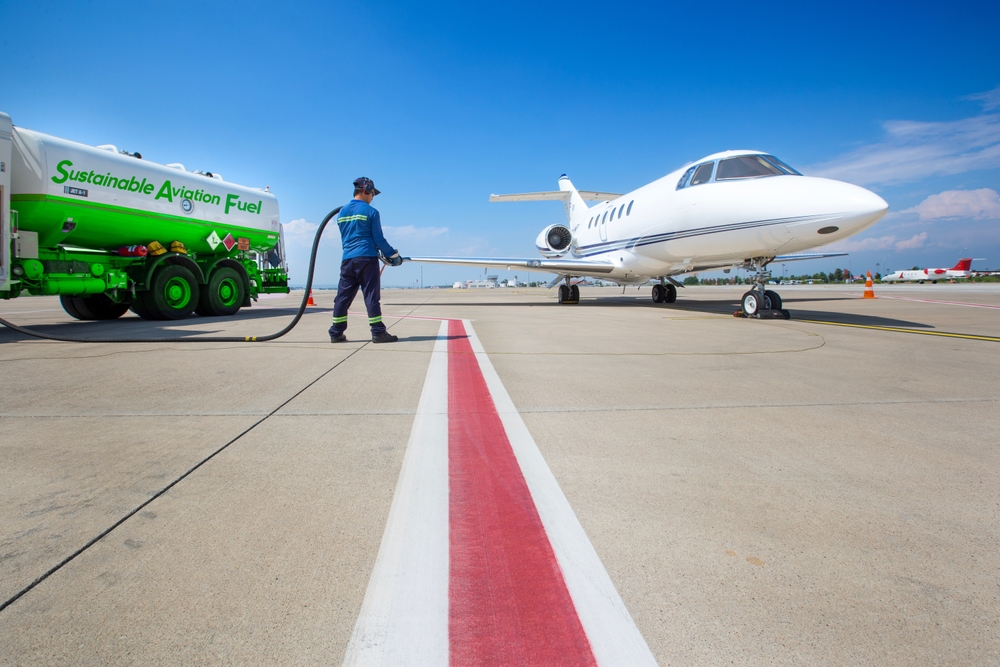
As the aviation industry moves more steadily toward lessening its environmental impact, Sustainable Aviation Fuel (SAF) in 2026 is fast becoming one of the leading shifts fashioning the future of air travel. With mounting need to reduce carbon emissions, SAF presents a logical path for airlines looking to meet sustainability goals without having to totally redesign their aircraft.
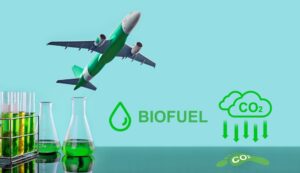 What Is SAF Exactly?
Sustainable Aviation Fuel (SAF) is an alternative to traditional jet fuel made from non-petroleum, renewable sources such as cooking oil, waste, and agricultural leftovers. SAF has the potential to:
- Cut down on lifecycle emissions by up to 80%
- Work compatibly with existing aircraft
- Advance sustainability goals in the aviation worlds
At its full potential, SAF could be one of the most beneficial and effective means of green aviation fuel being considered today.
Why Sustainable Aviation Fuel Is Trending in 2026
The popularity of SAF in today’s aviation industry is largely because SAF address the following concerns:
- Growing environmental laws
- Airline dedication to net-zero emissions
- Increasing demand for eco-friendly travel
People turning to Google with search phrases like “SAF aviation” and “eco-friendly aviation trends 2026” are queries that are becoming ever-more frequent: this a reflection of the expanding interest travelers and aviation enthusiasts have in reducing their carbon footprint.
SAF: The Challenges
Along with all the potential benefits that SAF can offer the aviation industry, this alternative fuel still faces some significant hurdles. These include:
- SAF is more costly as compared to traditional jet fuel
- The worldwide supply of SAF is still limited
- Inconsistent availability of materials
So, while the perks of SAF are bright, the industry will still need to a way to make this fuel type readily available if it is to become a go-to of commercial airlines and private aviation outfits.
 What’s Ahead for Aviation Fuel
Despite the challenges facing SAF, it is still looking like this fuel will, at some point, take the lead. Researchers and developers are constantly working on ways to improve SAF and find eco-friendly sources from which to create it. As of now, some promising advancements include:
- The use of green hydrogen for synthetic fuels
- An uptick in SAF production worldwide
- Government incentives and mandates for the use of SAF
Given these advances, it’s likely safe to say that SAF is going to stand strong as the top sustainability solution in aviation over the next several years.
Final Thoughts
Here at Flyparts.com we get the feeling that Sustainable Aviation Fuel is not simply a trend—it’s an essential shift toward cleaner air travel. As the aviation industry and global governments turn to greener solutions, SAF is set to be one of the most doable paths forward. While some obstacles do exist, ongoing innovation looks promising with regard to SAF adopting a transforming role for aviation improvements. ✈️🌱