
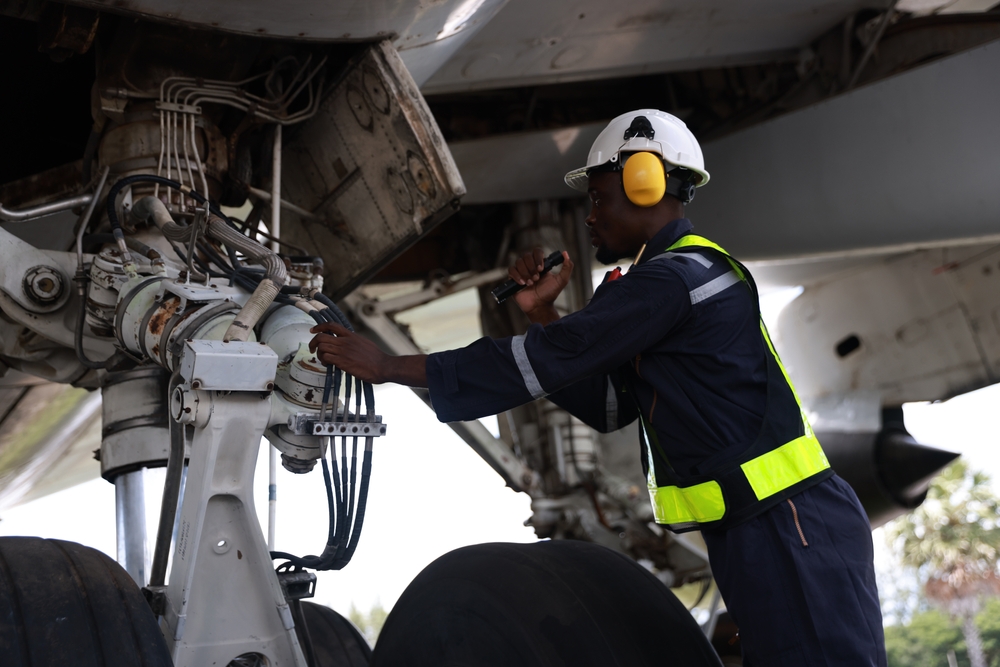
When asking the question, what is the lifespan of small aircraft parts, there is no answer that can apply for all parts. Each individual component will have its own very different service life depending on its design, material, operating conditions, maintenance log, history, and manufacturer requirements.
This makes it important for aircraft owners, pilots, and maintenance crews to understand the differences between aircraft parts, as it is an essential factor when it comes to maintaining safety, reliability, and airworthiness.
How Long Can Small Aircraft Parts Endure?
Certain aircraft components will come with specific service life limits, while others are will need replacing determined by inspection findings, wear, condition, or manufacturer recommendations.
An aircraft part’s lifespan can be affected by:
- Flight hours and cycles: Constant use can lead to fatigue and wear.
- Age: Materials – like rubber and seals – can decline over time.
- Operating environment: High temperatures, moisture, corrosion, vibration, and contamination affect components.
- Maintenance: Regular inspection and maintenance helps uncover issues before they become serious.
- Manufacturer requirements: Some components have mandatory replacement or inspection intervals.
According to FAA regulations, a life-limited part is one that has a strict mandatory replacement limit. Its life status may be determined by hours, cycles, calendar time, or another relevant measurements.
Common Small Aircraft Parts Lifespans
Aircraft components vary quite vastly in terms of lifespan. Hoses, seals, bearings, electrical components, hardware, and other parts can all come with specific and different inspection or replacement requirements.
Instead of relying on a general assumed average lifespan, it’s important for aircraft operators to verify any corresponding maintenance documentation as well as the part’s history before installation.
Finding Replacement Aircraft Parts Quickly
When a component needs replacement, it’s crucial to have easy access to a reliable aircraft parts supplier in order to help avoid any unnecessary downtime. FlyParts.com is an online aircraft parts marketplace that offers transparent pricing and real-time availability status. Our platform makes it simple to locate parts using a specific, part number, the aircraft tail number, or even an uploaded image. And in cases of AOG (Aircraft on Ground), FlyParts’ 24/7 Rapid Response Team is there to help find required parts and coordinate expedited sourcing and logistics.
Final Thoughts
Because there is no general lifespan for aircraft parts, timely repair and replacement will depend on the specific component, aircraft, manufacturer requirements, operating history, and corresponding FAA requirements.
However, when it’s time for a replacement, sourcing the right part—and getting all the proper documentation and traceability—is just as critical as obtaining it quickly. For scheduled replacements or time-sensitive AOG situations, FlyParts.com is there to assist aircraft owners, pilots, maintenance crews, and operators find the parts they need and help get you flying again.