
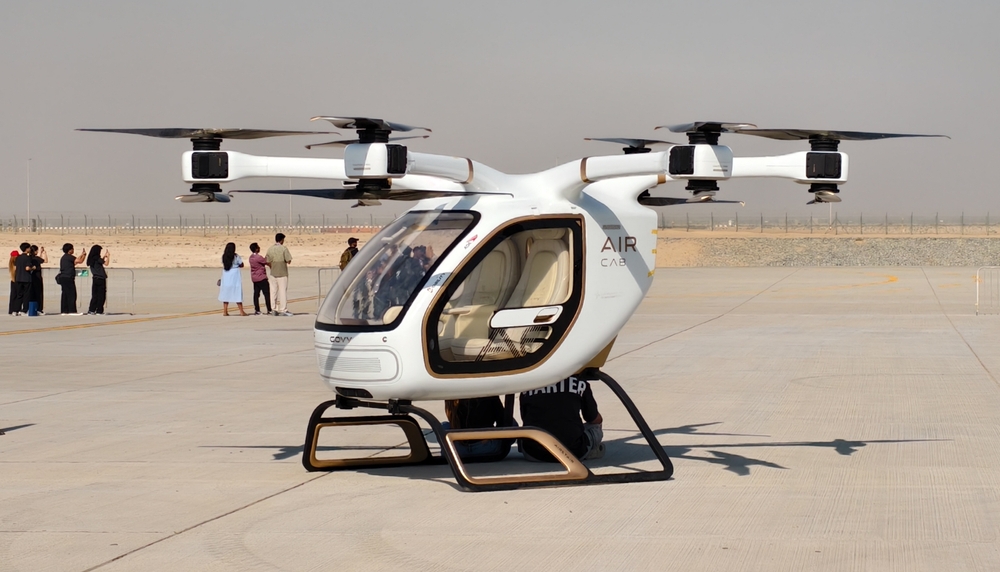
As the metropolis perseveres with its investment in smart transportation, Dubai flying taxis are getting closer to becoming a commercial service. Seemingly, the plan is to connect popular and busy destination with dedicated landing stations. For tourists, commuters, and tech fans, the reality of this evolution could completely transform how navigation in one of the world’s busiest cities.
What Are Dubai’s Flying Taxis?
Dubai’s planned air taxi service will utilize electric vertical takeoff and landing (eVTOL) aircraft manufactured by the California-based company, Joby Aviation. Because these aircraft are able to take off and land vertically – not unlike how helicopters operate – they do not require the time or space of a traditional airport runway.
Essential features of flying taxis include:
- All-electric operation: This means that zero direct emissions are produced during flight.
- Passenger capacity: These aircraft are built to carry one pilot and up to four passengers.
- Fast travel: Aerial routes could mean less road traffic and much faster journey times between destinations.
- Urban convenience: Air taxi stations will come with prime passenger facilities and charging infrastructure.
Where Will Flying Taxis Operate in Dubai?
Dubai’s Roads and Transport Authority (RTA) has so far planned for a start-up network of four air taxi stations.
These primary locations are:
- Dubai International Airport (DXB): A must-have for arriving and departing travelers.
- Downtown Dubai: Offering easy access to shopping hubs and business centers.
- Palm Jumeirah: Connections to luxury hotels, resorts, and waterfront attractions.
- Dubai Marina: Transport to residential, business, and entertainment areas.
These destinations were chose to facilitate a practical network that connects key areas across the city.
How Much Time Might Flying Taxis Save?
One of the biggest draws of flying taxis is the potential to reduce road congestion. According to Dubai’s RTA, a flight between Dubai International Airport and Palm Jumeirah could run approximately a mere 10 minutes by air taxi, as opposed to anywhere from 45 minutes over an hour (or more, depending on traffic) by car.
Actual travel times will vary based on on operating routes, weather conditions, passenger procedures, and service availability.
When Will Dubai’s Flying Taxis Launch?
Service for commercial passengers is set to being in 2026. That said, the proposed launch timeline is not at all a confirmation that tickets are will be readily available or that all planned routes will immediately be operational. As with all aircraft ventures, there are rigorous rounds of testing, regulatory approvals, and station preparedness that must meet the strictest standards before an official rollout.
What Does This Mean for Dubai’s Future?
Dubai’s flying taxi plan is a rather significant investment in the future of advanced mobility. If the initial fleet and flights prove successful, this alternative transportation could mean a quick and convenient choice for airport transfers, business travel, and flights to and from popular tourist destinations.