
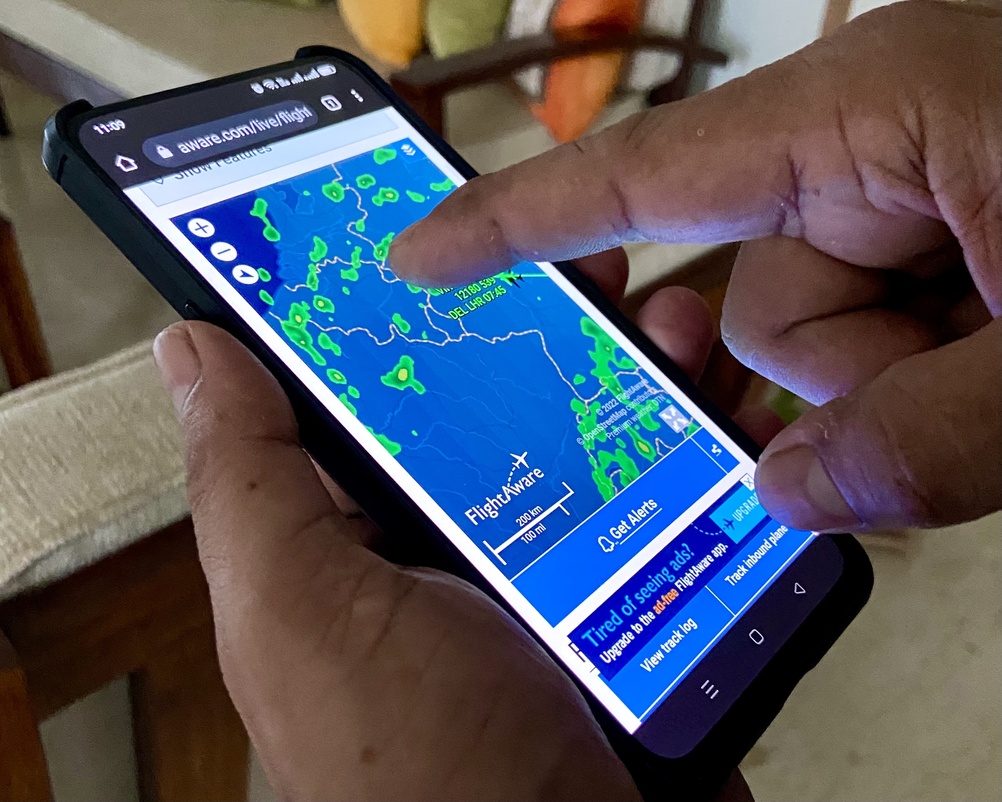
If you’ve ever looked up to the sky, spotted an airplane, and just had to know where it was headed, you might be a flight radar fan? Or maybe you’re on your way to pick a friend up from the airport and need to know if their flight is on time. Whatever the reason, the convenience of flight radar apps has largely changed the way we look at sky traffic. The question is: just how accurate are these apps?
The quick answer is that most flight radar apps are accurate enough… but they aren’t quite what you’d call perfect.
In this article, we’ll explore how flight radar apps work, where they get their information from, and how reliable their flight tracking actually is.
How Do Flight Radar Apps Work?
Flight radar apps use multiple technology platforms to track aircraft crossing the United States and traversing the world.
One of the primary resources is called Automatic Dependent Surveillance-Broadcast (ADS-B). This is a system that enables aircraft to broadcast information relevant to their location, altitude, speed, and direction using GPS-based data.
Flight tracking apps gather this information via a network of ground-based receivers and other data providers.
Certain apps also include information that comes from:
- Air traffic control data sources.
- Airline flight schedules.
- Satellite-based tracking systems.
- Aircraft transponder signals.
The combination of all these sources means the apps can offer a more complete picture of air traffic.
How Accurate Are Flight Radar Apps?
For the majority commercial flights in the United States, flight radar apps relay highly accurate tracking information.
That said, accuracy is determined by several factors:
- Signal coverage: Planes traveling at lower altitudes may be more difficult to track due to terrain and limited receiver coverage.
- Data delays: Some apps can experience a lag from the time an aircraft transmits its position information to when that info lands on your screen.
- Aircraft equipment: Transmission information can differ between aircraft depending on equipment
- Privacy restrictions: Come aircraft, like government and private planes, will offer less visibility on public tracking platforms.
It’s also important to note that the ETA listed on an app is not necessarily a guaranteed landing time.
Are Flight Radar Apps Accurate in Real Time?
A lot of flight tracking apps offer information that is very nearly in realtime, but this doesn’t translate to every aircraft position being visible instantly. Updates on position can occur several times per minute depending on both the platform used and its data sources. Remember: information can be delayed or estimated.
For the most reliable information regarding flight departures, arrivals, delays, and cancellations, it’s always a good idea to call the airline directly.
Can You Trust Flight Radar Apps?
Flight radar apps are great tools that can be useful to aviation enthusiasts, travelers, and anyone with a curiosity about sky traffic. However, in the end, they are a layperson’s tracking application, not actual air traffic control displays or safety systems.
Final Thoughts
So, can flight radar apps be trusted? In many cases, yes. They offer a reasonably reliable level of accuracy and offer handy access into aircraft movements. While delays and coverage gaps can happen, and while an aircraft might not appear on the screen, flight radar apps are still a fun and easy way to follow flights and explore the skies.