
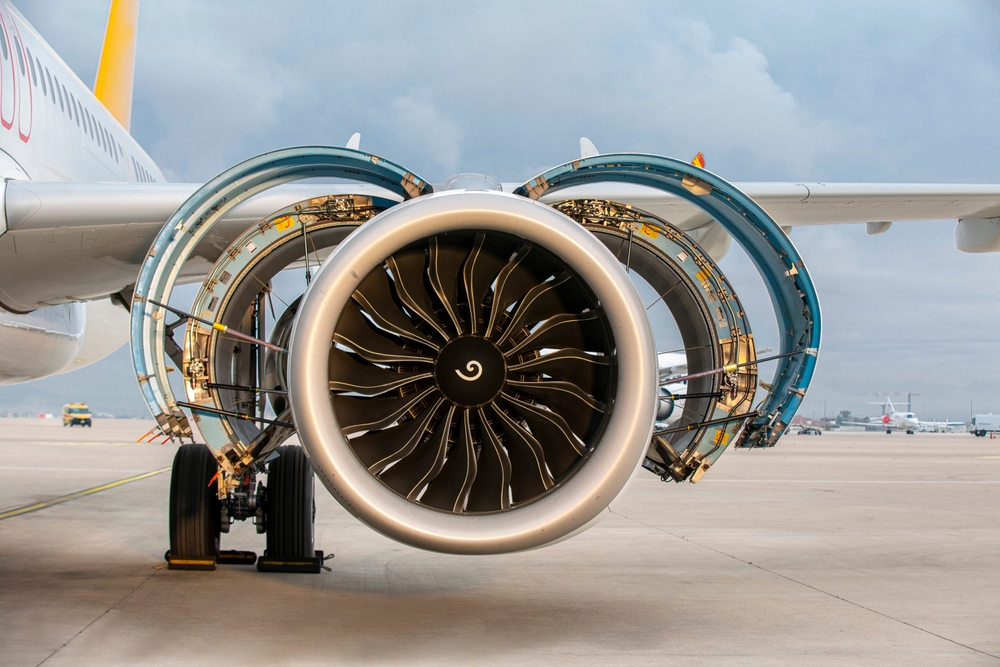
When it comes to naming some of the most reliable machines ever built, aircraft engines are very high on the list. That said, even the spectacular machines can’t last forever. However, rather than being replaced after a pre-determined number of years, aircraft engines are kept running smoothly via a strict maintenance schedule that features rigorous inspections, repairs and overhauls. And with this kind of upkeep, most can operate safely for decades.
What is the Lifespan of an Aircraft Engine?
An aircraft engine’s lifespan will depend on several factors, including:
- Engine type (piston or turbine)
- Number of flight hours and operating cycles
- Quality of maintenance
- Conditions in the environment
- Manufacturer recommendations
Rather than measure the lifespan of an aircraft engine in years, the aviation industry prefers the barometer of flight hours (how long the engine has operated) and flight cycles (one take-off and landing). These approach allows for a more accurate depiction of engine wear than measuring years alone.
For many piston-powered aircraft, manufacturers will recommend a Time Between Overhaul (TBO), which is an indication for when an engine needs a major inspection or overhaul. Commercial jet engines, on the other hand, are generally maintained via approved maintenance programs that provide ongoing engine performance monitoring with regular inspections and operational data. This ensures that repairs are conducted before wear can impact safety or reliability.
With the right maintenance, many commercial aircraft engines can operate well for 20 years or more, considering the multiple shop visits and component replacements they will undergo during that time.
How Often Do Aircraft Engines Need Repairs?
Regular maintenance is an integral part of aircraft ownership and airline operations. Engines are inspected on a set schedule that relies on both visual examinations and advanced diagnostic techniques that can spot wear or damage before any safety issues arise.
Common maintenance tasks include:
- Replacing worn seals and bearings
- Repairing compressor or turbine blades
- Oil and filter inspections
- Borescope inspections of internal components
- Performance monitoring and vibration analysis
Many minor repairs can be done without having to remove the engine from the aircraft, while the major issues will mean that the engine must be removed and sent to a specialist maintenance facility.
When Must an Aircraft Engine Be Replaced?
It is relatively uncommon to hear of a complete engine replacement. For most airlines, the choice to overhaul or refurbish an engine is preferred over replacing it entirely.
Replacement might be on the table if:
- The engine has incurred massive damage.
- Repairs will cost more than the engine’s value.
- New, available technology will translate to significant fuel savings.
- The engine has come to the end of its economical service.
Most engine components can and will be replaced one by one throughout an engine’s life, which allows the machine to continue operating safely for many years.
Final Thoughts
Aircraft engine lifespan and upkeep are determined by condition, performance data, and manufacturer-approved maintenance schedules—not just by years in operation. Regular inspections, prompt repairs, and scheduled overhauls help ensure reliability while meeting strict safety standards. A preventative approach to engine health allows for decades of dependable service before replacement becomes necessary.